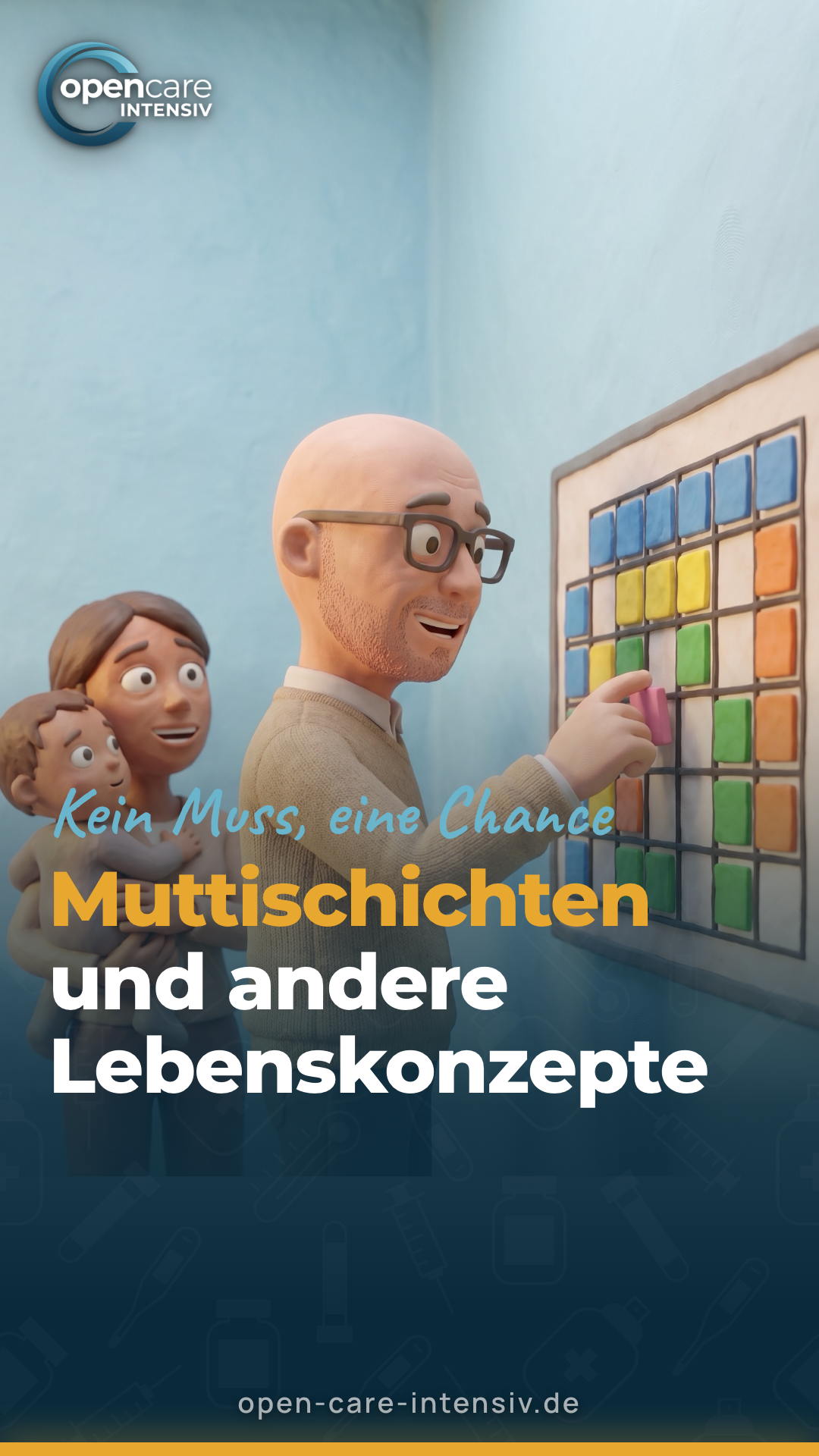
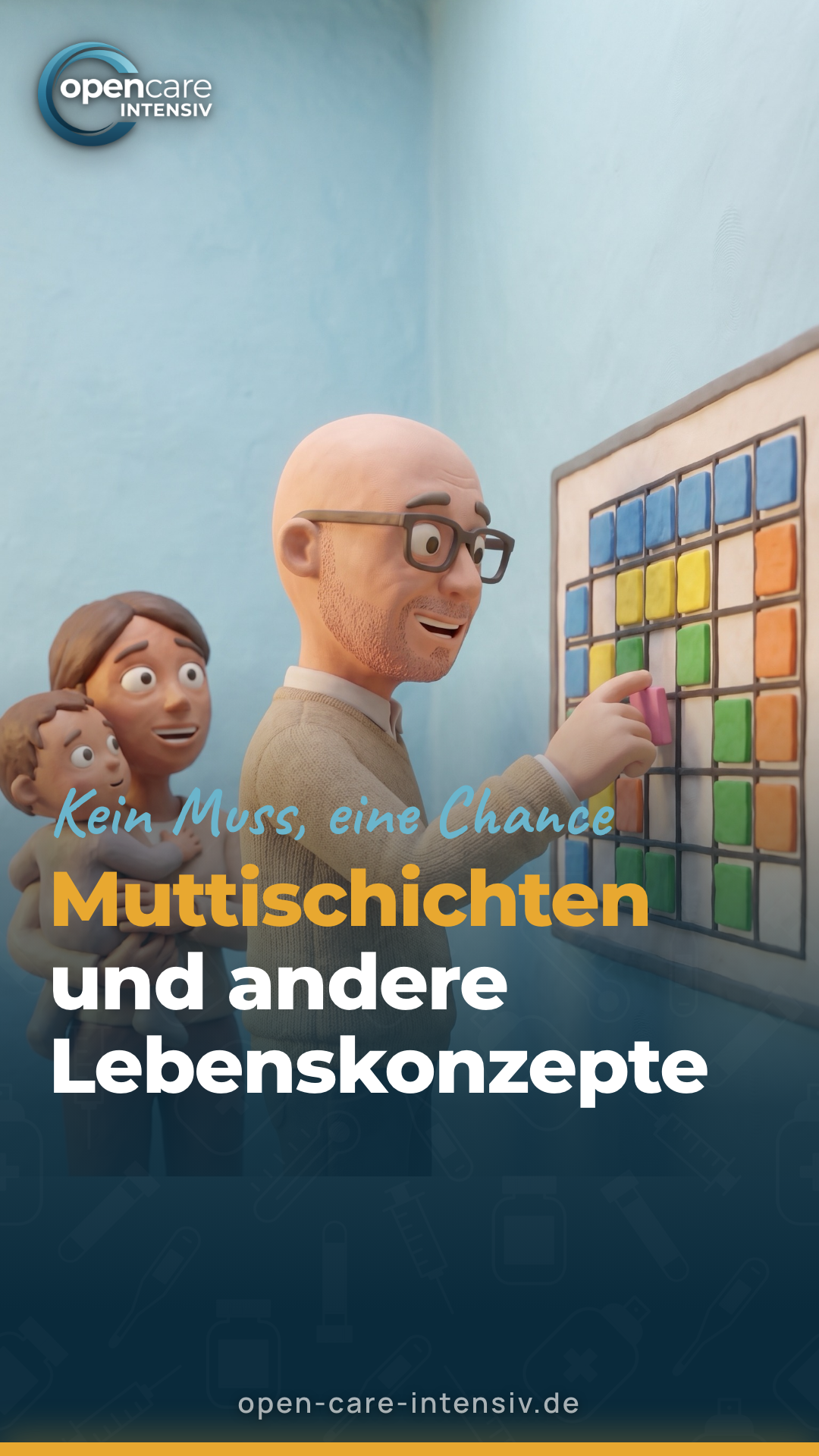
Three cheers for all mothers in nursing
· Igor Savitsky
Full-time in nursing, two children, ongoing further training and a degree close to completion. Asked how she manages it all, the answer came very calmly: "Well, I like what I do." This statement from a job interview left us speechless for a moment. And it shows what many women in nursing achieve every day, without making a fuss.
The conversation that inspired this post
We are currently holding many job interviews. Before meeting in person, we make a short phone call. The aim is to clarify a few basic details and see whether the position fundamentally fits. One of these calls was special. On the phone was a young woman, fun, dynamic, very pleasant. She told us that she works almost full-time in nursing, is also looking for a mini-job, has two children, is in the middle of further training to become a nursing expert and is close to finishing a degree in nursing management. The reaction to the question of how she manages it all was disarmingly simple: she likes what she does. And the degree is almost finished anyway. And actually she is doing quite well. This calmness, combined with this achievement, made a real impression. Whatever happens next in her career, we wish her all the best from the bottom of our hearts.
What remains, and who it mostly falls to
Every day has 24 hours. That applies to everyone. But how those hours are filled is anything but evenly distributed. Many women in nursing juggle their job, the household, the children and sometimes the care of their own relatives all at once. This is not a complaint, it is an observation. And it is meant honestly. Even though men take on a lot in everyday life, statistically a large share of family and care work still falls to women. In nursing this is particularly noticeable. The profession is physically and emotionally demanding. Anyone who also manages a family and keeps developing at the same time deserves recognition. And it should be said out loud, not just silently thought. This applies equally to mothers on the Lower Rhine, whether in Alpen, Wesel or Moers, who work in intensive care and master this balancing act every day.
Why passion is not a cliché
"I like what I do." That may sound simple. But it is not. Anyone who works in nursing knows the night shifts, the difficult moments, the emotional burden. And still there are people who go to work with genuine joy every day. Not because everything is easy, but because the purpose of the work is tangible to them. This inner drive is not a cliché, nor is it self-deception. It is the reason why many people in nursing persevere even under difficult conditions and grow in the process. Further training, degree programmes in nursing management, specialisations: the profession offers real opportunities for development. Anyone who takes this path while also having a family shows a strength you won't find on a CV. It lies in everyday life. The current situation on the nursing job market makes clear how valuable exactly such people are for the sector.
Recognition that is more than a kind word
Expressing admiration is one thing. But what does it mean in everyday life to truly support mothers in nursing? It starts with flexible duty rosters that take school and daycare into account. It continues with understanding when something doesn't work out because the child is sick. And it shows in how a team treats one another. Structures that make work-life balance possible are not a nice extra. They are a sign that employers take the reality of their employees seriously. For us at Open Care this is no lip service. We know what our nursing staff achieve. And we want to create an environment in which people like the young woman from the conversation can work long term without having to choose between career and family. You can also find more on how nursing and family can be thought together in our article on networking and expertise in intensive care.
To everyone who masters this balancing act every day
This article is neither a comparison nor a judgement between men and women in nursing. Men also do great things every day. But at this point the focus is deliberately on the women who combine this profession with everything else life demands of them. Imagine you get up in the morning, take the children to school, drive to your shift, look after people in need of care, study for an exam in the evening and know that tomorrow the same awaits. And you do it because you enjoy it. That is not a given. That is extraordinary. From Xanten to Kamp-Lintfort, from Rheinberg to Geldern: there are many women on the Lower Rhine who live exactly this every day. Here's to you.
Do you work in nursing and are looking for an employer who knows what you achieve? Get in touch with us in Alpen. We listen.
Frequently asked questions
How do mothers in nursing manage work and family?
There is no universal solution, but flexible working hours, an understanding team and an employer who takes work-life balance seriously make a big difference. Many nurses report that the sense of purpose in the profession helps them get through difficult phases.
Is it possible to work in nursing and study at the same time?
Yes, it is possible. Part-time degree programmes in nursing management or similar further training courses are designed specifically for people who are already working. It requires good organisation, but it works.
Why do women in nursing so often face multiple burdens?
In many families, a large share of care work, meaning childcare, housework and caring for relatives, still falls to women. In a profession like nursing, which is itself very demanding, this adds up. This is a social reality that is slowly changing but has not yet been overcome.
What can care providers concretely do to support mothers?
Flexible duty rosters, short-notice solutions when a child is sick, understanding in the team and clear communication are crucial. Employers who actively shape these conditions also benefit themselves from motivated, long-term employees.
Is further training to become a nursing expert alongside work worthwhile?
Yes, for many it is a sensible step. Specialisations such as nursing expert training open up new opportunities in the profession and strengthen one's own position. Which funding or leave entitlements apply should be clarified with the employer and the responsible nursing chamber.